Listening and working closely to develop projects into visual communication tools is how Essence began and continues.
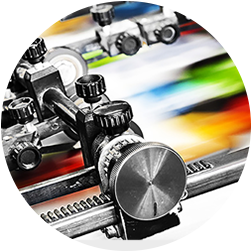
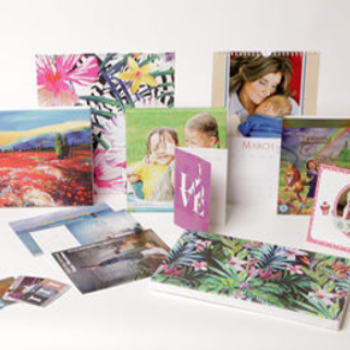
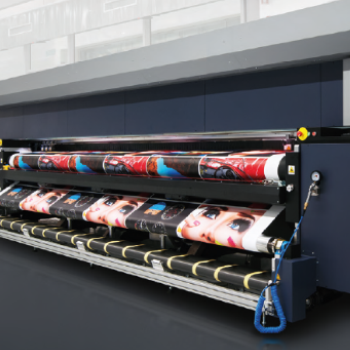
In 1976 immigrant, businessperson, and father - Mr. Edwin Wei, Sr. devoted his life and family to the printing industry. Striving to create the American Dream, Mr. Wei created a sound building block for the future. From a single press Essence Printing has become a multi-faceted commercial offset and digital print facility.
Three decades of professional printing, multiple expansions and equipment acquisitions, the fundamentals remain the same… providing quality work, and building partnerships to obtain mutual success.

 Essence Printing, Inc.
 info@essenceprinting.com
 (650) 952-5072
 (650) 952-5073