| Industry Terms |
|
Wash Up
To clean ink and fountain solutions from rollers, fountains, screens, and other press components
|
|
Waste
Unusable paper or paper damage during normal makeready, printing or binding operations, as compared to spoilage.
|
|
Watermark
Translucent logo in paper created during manufacturing by slight embossing from a dandy roll while paper is still approximately 90 percent water.
|
|
Web Break
Split of the paper as it travels through a web press, causing operators to rethread the press.
|
|
Web Gain
Unacceptable stretching of paper as it passes through the press.
|
|
Web Press
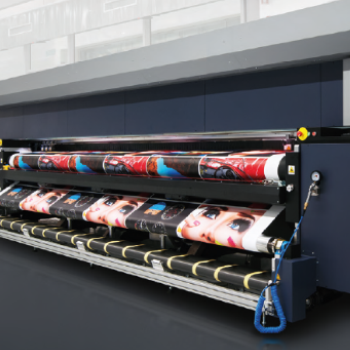
Press that prints from rolls of paper, usually cutting it into sheets after printing. Also called reel-fed press. Web presses come in many sizes, the most common being mini, half, three quarter (also called 8-pages) and full (also called 16-pages).
|
|
Wet Trap
To print ink or varnish over wet ink, as compared to dry trap.
|
|
Window
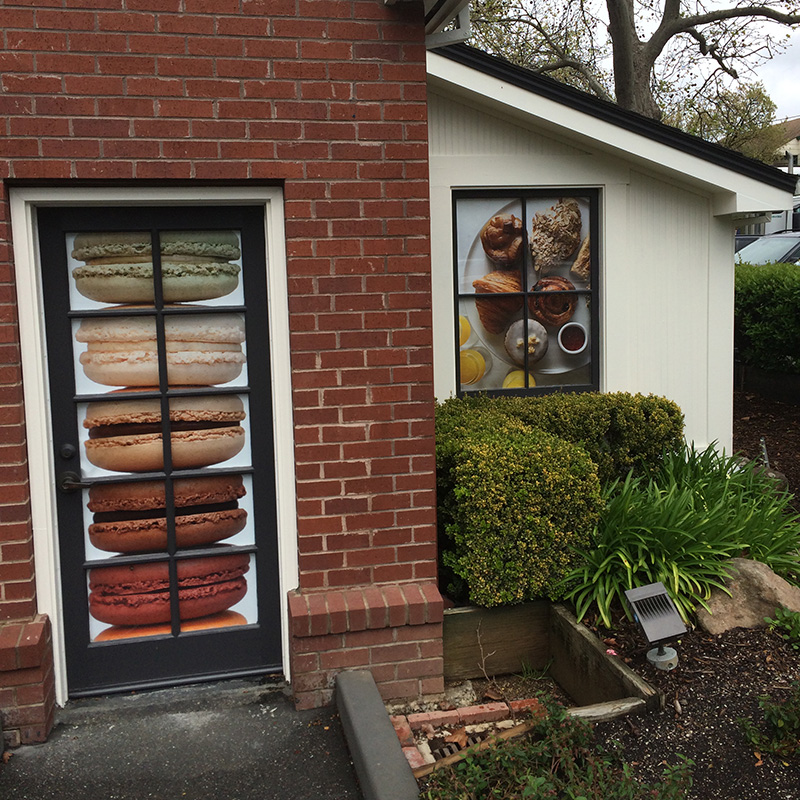
(1) In a printed product, a die-cut hole revealing an image on the sheet behind it.
|
|
Wire Side
Side of the paper that rests against The Fourdrinier wire during papermaking, as compared to felt side.
|
|
With the Grain
Parallel to the grain direction of the paper being used, as compared to against the grain. See also Grain Direction.
|
|
Woodfree Paper
Made with chemical pulp only. Paper usually classified as calendered or supercalendered
|
|
Working Film
Intermediate film that will be copied to make final film after all corrections are made. Also called buildups
|
|
Wove
Paper manufactured without visible wire marks, usually a fine textured paper.
|
|
Wrong Reading
An image that is backwards when compared to the original. Also called flopped and reverse reading.
|
|
|